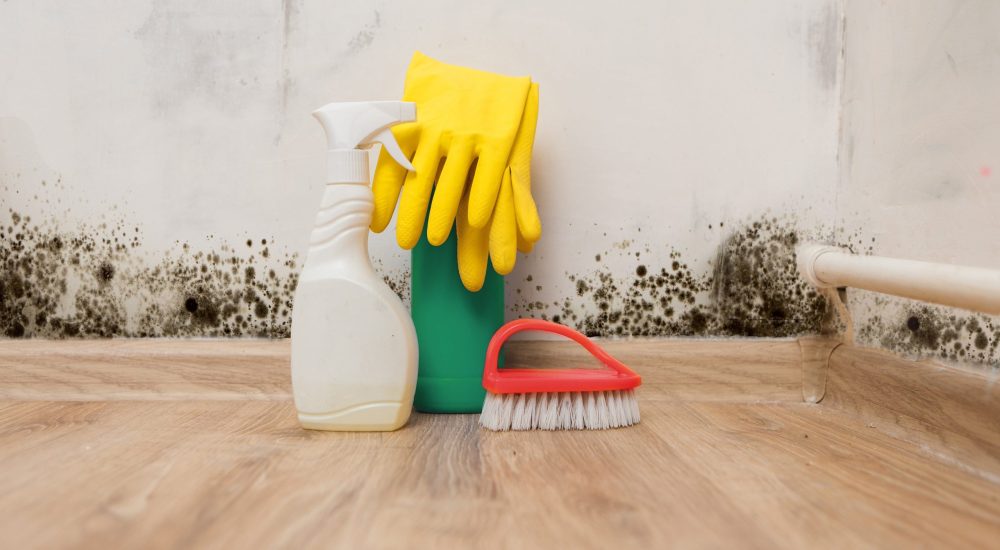
In many households, mold can be unnoticed, sneaking in damp corners and hidden breaches, waiting to call us today unleash its harmful effects on our health and well-being. While some species of mold are nondangerous, others pose a significant threat, capable of causing a lot of health issues, particularly in those people that have allergies or compromised immune systems.
The mold is a microscopic fungus, thrives in moist environments, producing spores that can easily become airbone. Upon inhalation, these spores can trigger a range of adverse reactions, including:
Allergic Reaction: Mold spores can trigger allergic reactions similar to hay fever, causing symptoms like sneezing, runny nose, itchy eyes, and skin rashes.
Respiratory Issues: For people with asthma or respiratory conditions, mold exposure can worsen existing symptoms and lead to breathing difficulties, wheezing, and coughing.
Toxic Mold Effects: Certain mold species produce mycotoxins, toxic substances that can cause a range of health problems, from headaches and fatigue due to more serious issues like neurological damage and immune system suppression.
There are often signs that can cheat mold like:
Visible Mold Growth: Some colonies can appear as fuzzy or maybe discolored patches, often in colors like black, green or brown.
Musty Odor: A damp, musty odor is a telltale sign of mold infestation.
Dampness: Condensation, damp surfaces and water leaks create ideal conditions for mold to grow
 Site Title
Leave a comment